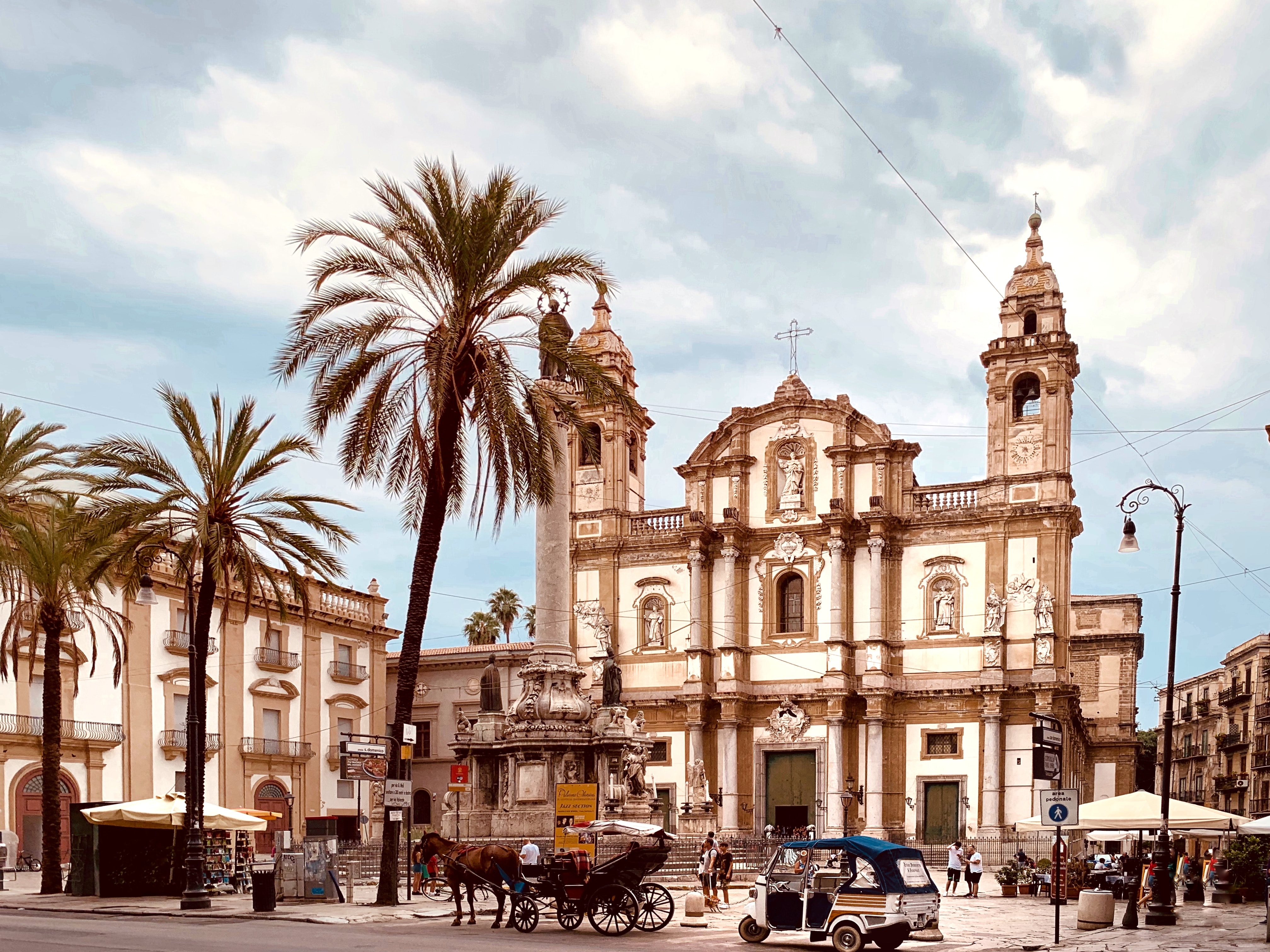
The active Volcano of Italy: Catania

25.03.2023

The vibrant university city

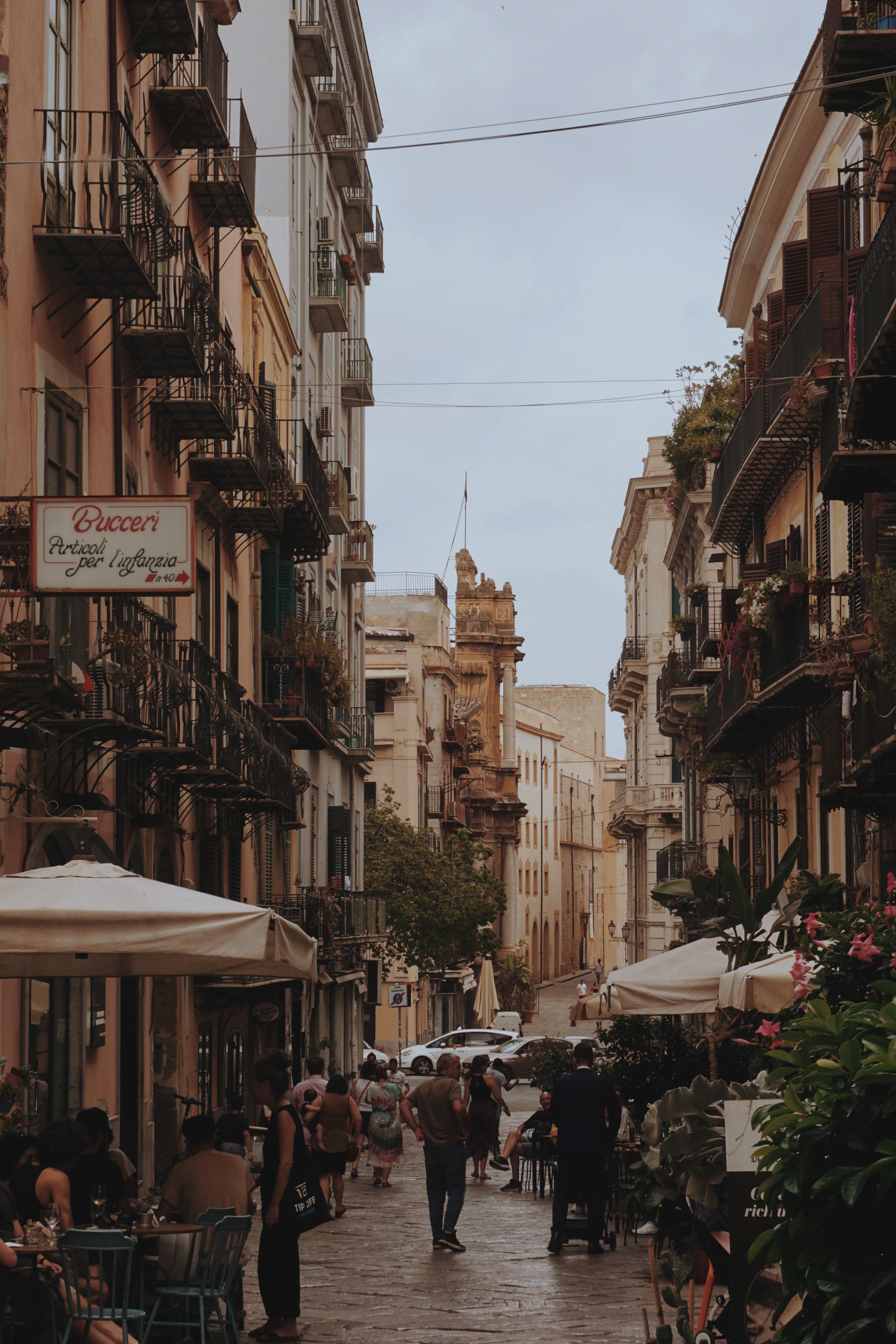
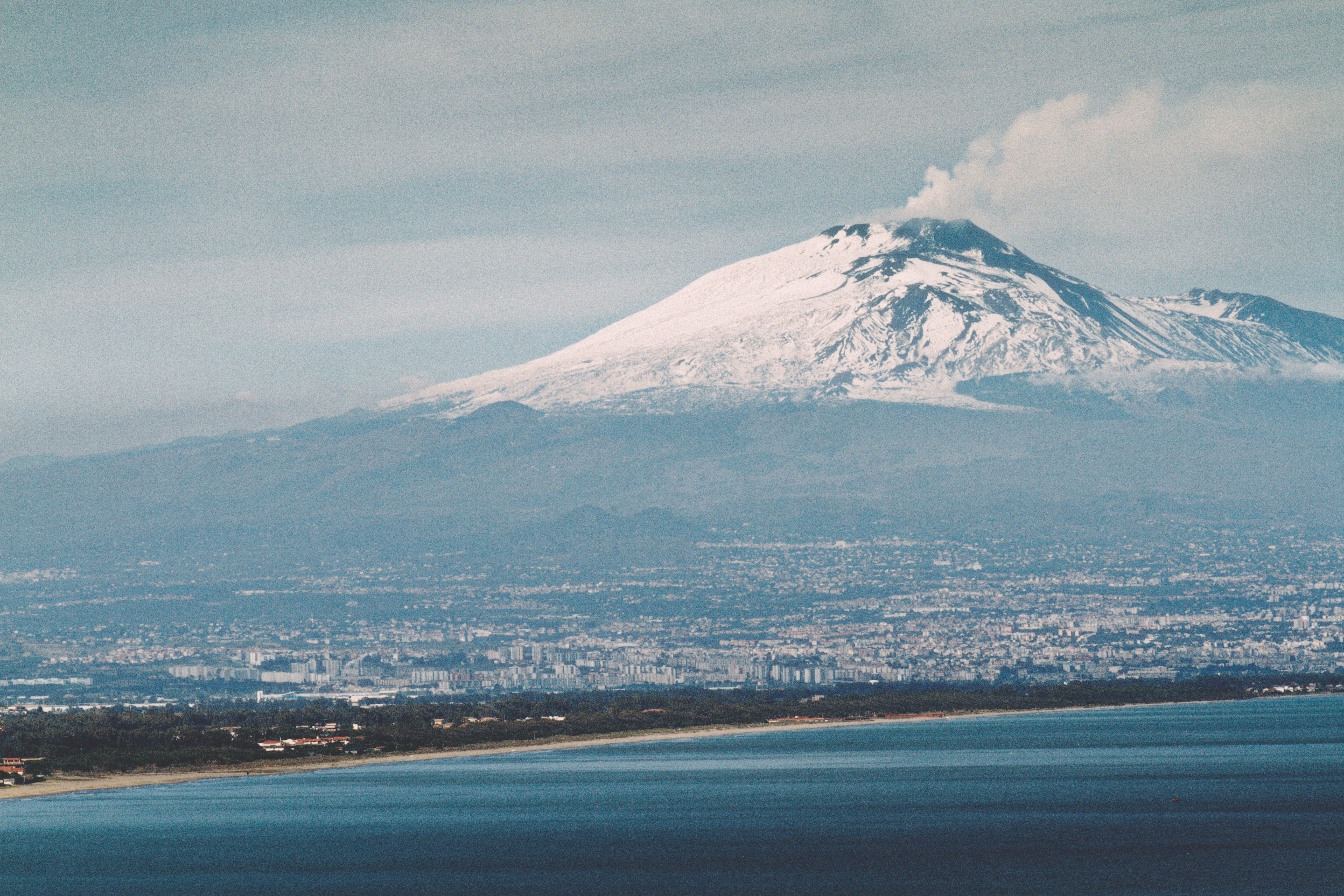
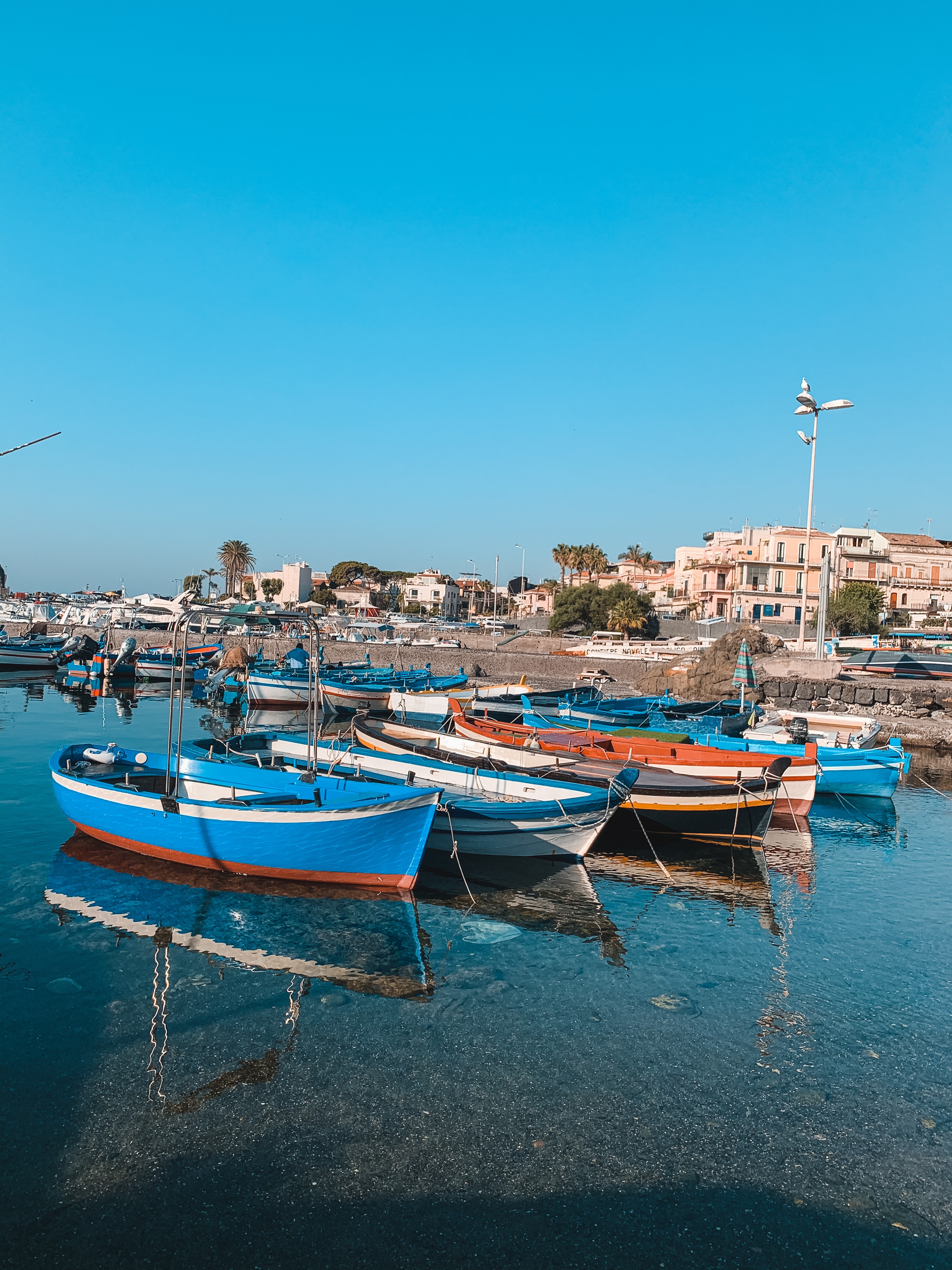
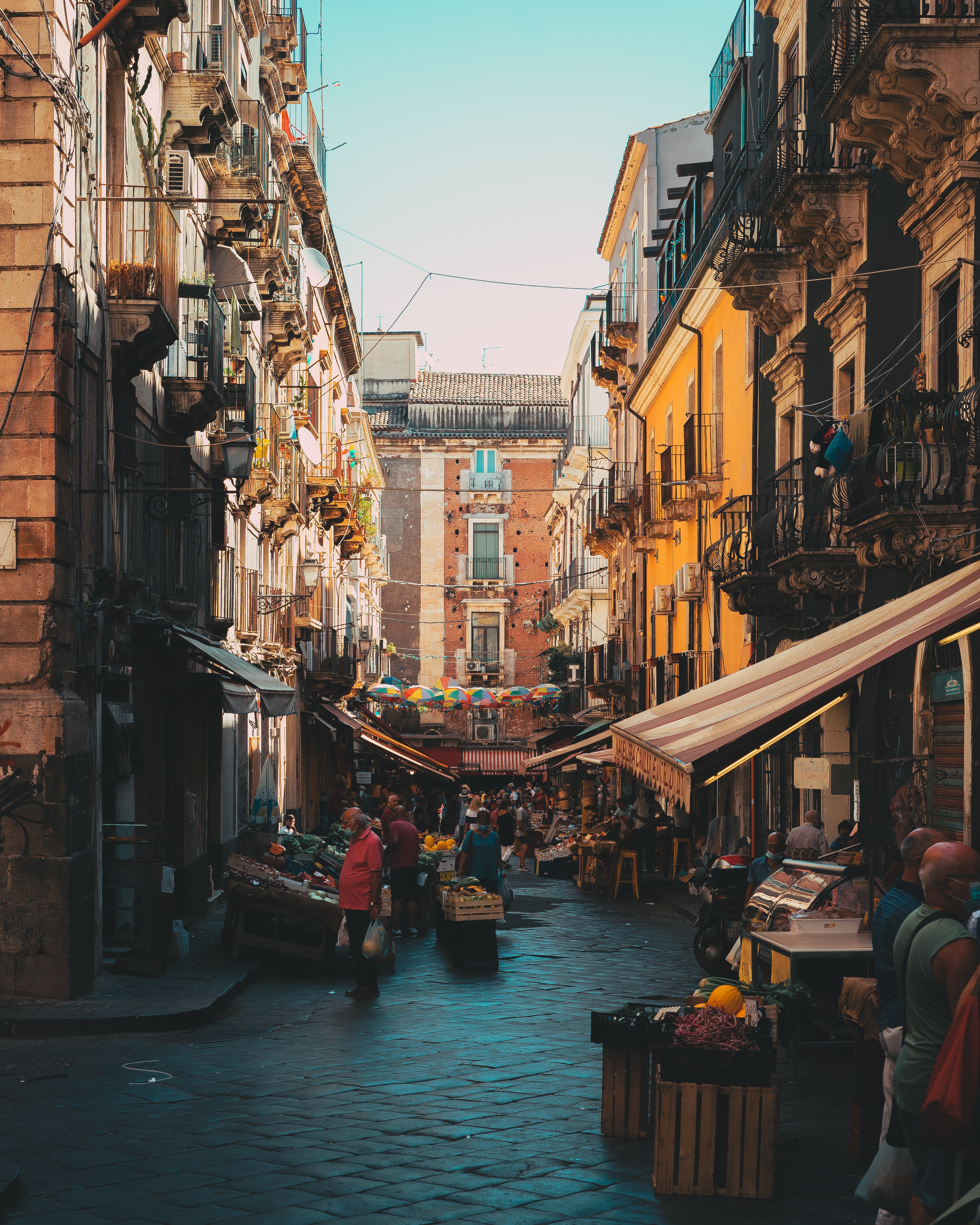
Catania is a city located on the east coast of Sicily, Italy. It is known for its youthful energy, gritty bars, and earthy spirit in contrast to Palermo’s aristocratic airs. One of the most well-known attractions of Catania is its fish market, La Pescheria, which is located close to Piazza del Duomo and is situated on a set of volcanic-rock-formed steps. The city is also dominated by the volcanic giant of Mount Etna, which gives the city its suggestive lava rock palette.

Mount Etna – The Volcano

Mount Etna is an active stratovolcano located in Sicily, Italy, and is the highest active volcano in Europe. It lies above the place of convergence between the Eurasian and African plates. Mount Etna has a base circumference of around 150 km (93.2 miles) and is about 3,350 meters (around 10,991 feet) high. It is also the centrepiece of the Etna National Park, which covers 224 square miles (581 square kilometres) and was established in 1987.

The frequency of the Etna volcano’s eruptions varies, but it is considered one of the most active volcanoes in the world. Eruptions occur frequently, with as many as 16 eruptions taking place in 2001. Since 1750, seven of Etna’s eruptions have had durations of more than 5 years, more than any other volcano except Vesuvius. The most violent historical eruption occurred in 1669 when about 990 million cubic yards (830 million cubic meters) of lava were thrown out, and in modern times, Etna has been in a series of eruptions since 2013.

The Nightlife

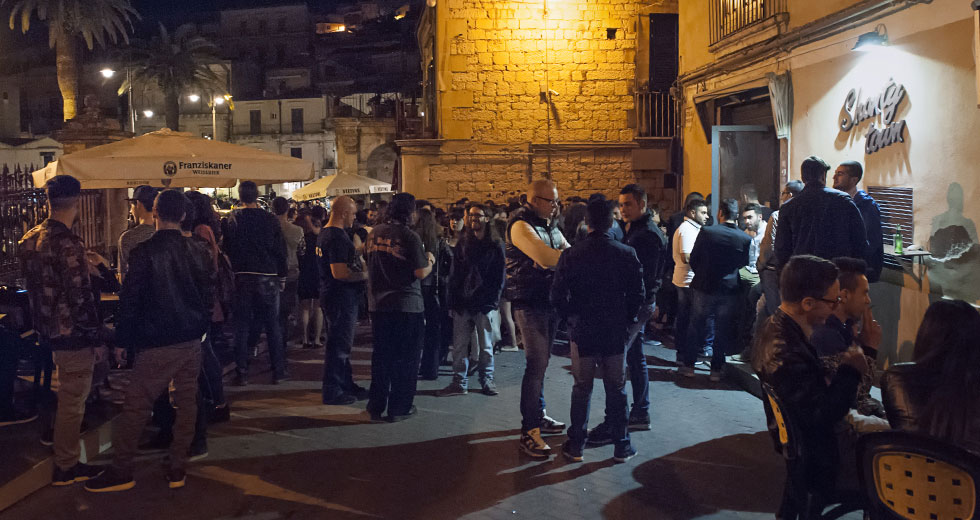
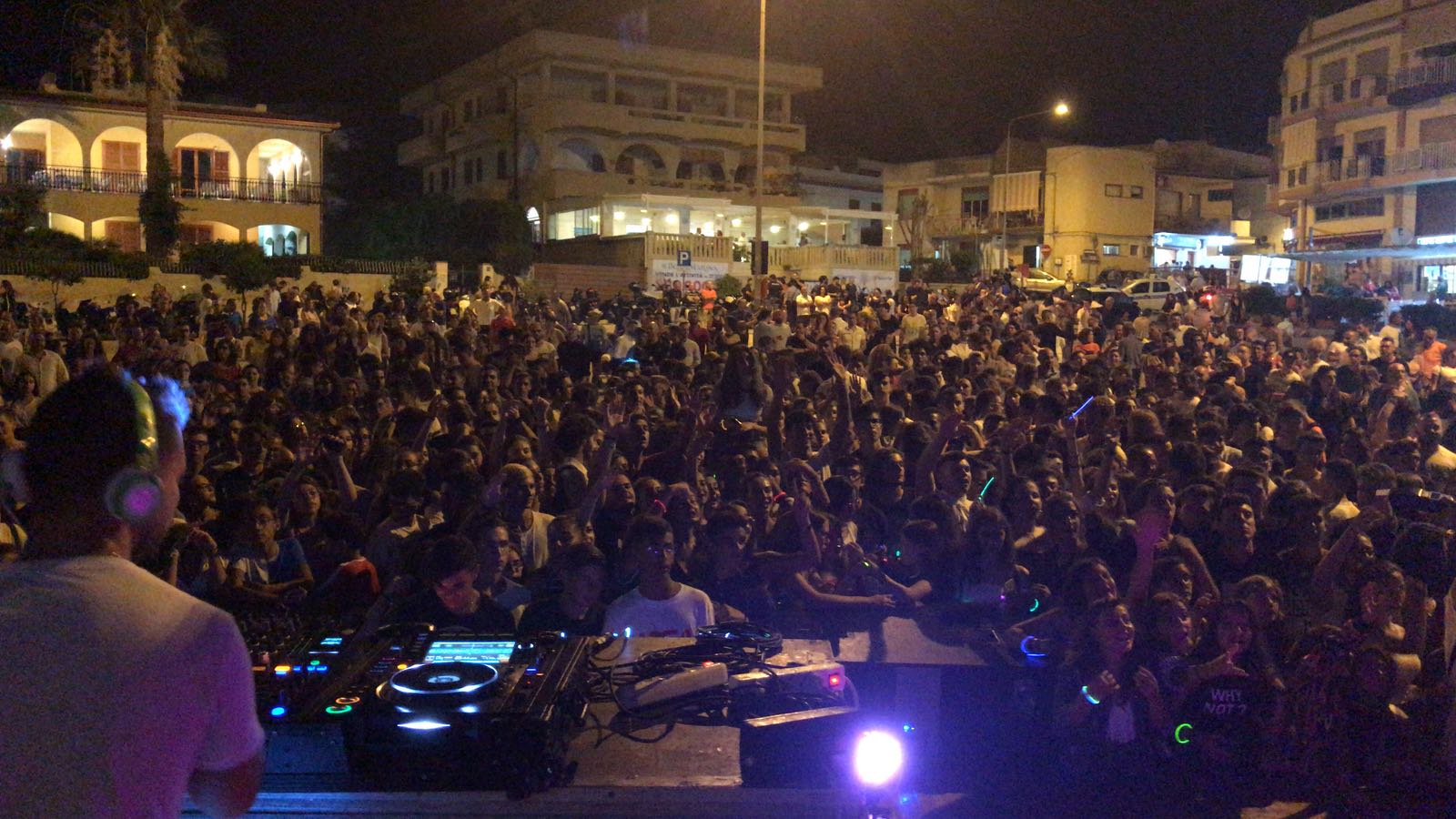
Based on the provided web search results, Catania, a city in Sicily, Italy, has a vibrant nightlife with many options for bars, clubs, and lounges. Some of the popular spots and bars are Mercati Generali, Bohéme Mixology Bar, and Vermut. Moreover, the list of the top nightlife spots in Catania includes Mammut, Etnea Street, Piazza Teatro, the Ursino Castle, Piazza Stesicoro and its nearby market. With a mix of bars, clubs, and lounges, Catania’s nightlife scene offers something for everyone.
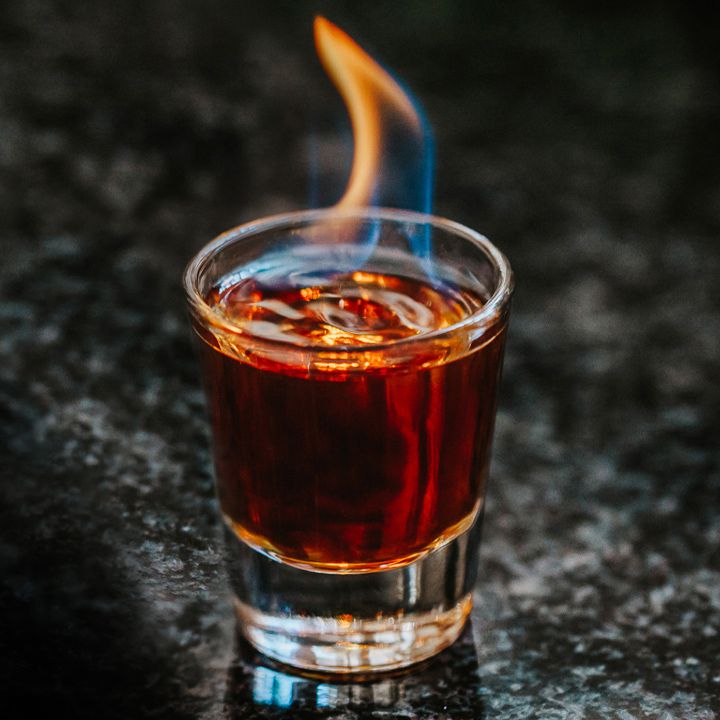
Once there, do not forget to give a try to the “Cane Morto” shot. It is a shot of local herbal booze which is drunk while it is still on fire.

You can ask for it in almost any pub near Piazza Teatro.

Catania’s favourite food – Horse Meat
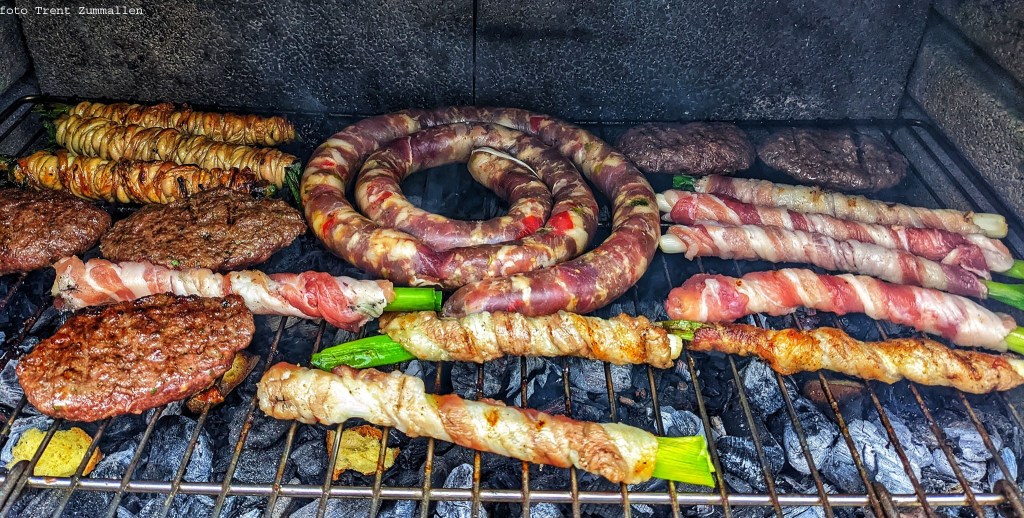
Catania, like many other cities in Italy, is known for its delicious and diverse cuisine. One of the region’s culinary traditions is horse meat or carne di cavallo. It is commonly used in dishes such as meatballs, sausages, and Polpette di cavallo. Trattoria del Cavaliere as well as Zia Carmela are restaurants in Catania that specialize in horse meat and offers authentic and delicious servings of carne di cavallo at affordable prices. Other than horse meat, Catania has many other traditional dishes that are worth trying, such as pasta alla Norma (pasta with eggplants and ricotta cheese), arancini (fried rice balls filled with meat, cheese, or vegetables), and seafood dishes.

Welcome to one of the ancient world’s capital – Syracuse

Syracuse, located on the southeast coast of the island of Sicily, was one of the major powers of the ancient world and played a key role in ancient times. Syracuse was settled in 734 BCE by Corinthians led by the aristocrat Archias, and it soon became the chief Greek city of ancient Sicily, dominating the coastal plain and hill country beyond. Syracuse was at the forefront of Greek cultural and political innovation and was known for its advanced architecture, literature, art, and theatre. The city was also a centre of commerce and trade and had a powerful navy that dominated the Mediterranean. The city reached its peak during the 5th century BCE, under the rule of the tyrant Dionysius the Elder, who transformed Syracuse into a major power in the Western Mediterranean. Syracuse was also the birthplace of the famous mathematician and inventor Archimedes. Overall, Syracuse was a city with a rich history and significant influence on the ancient world during its peak.

“Let thy speech be better than silence, or be silent”

Dionysius I of Syracuse

Modern city

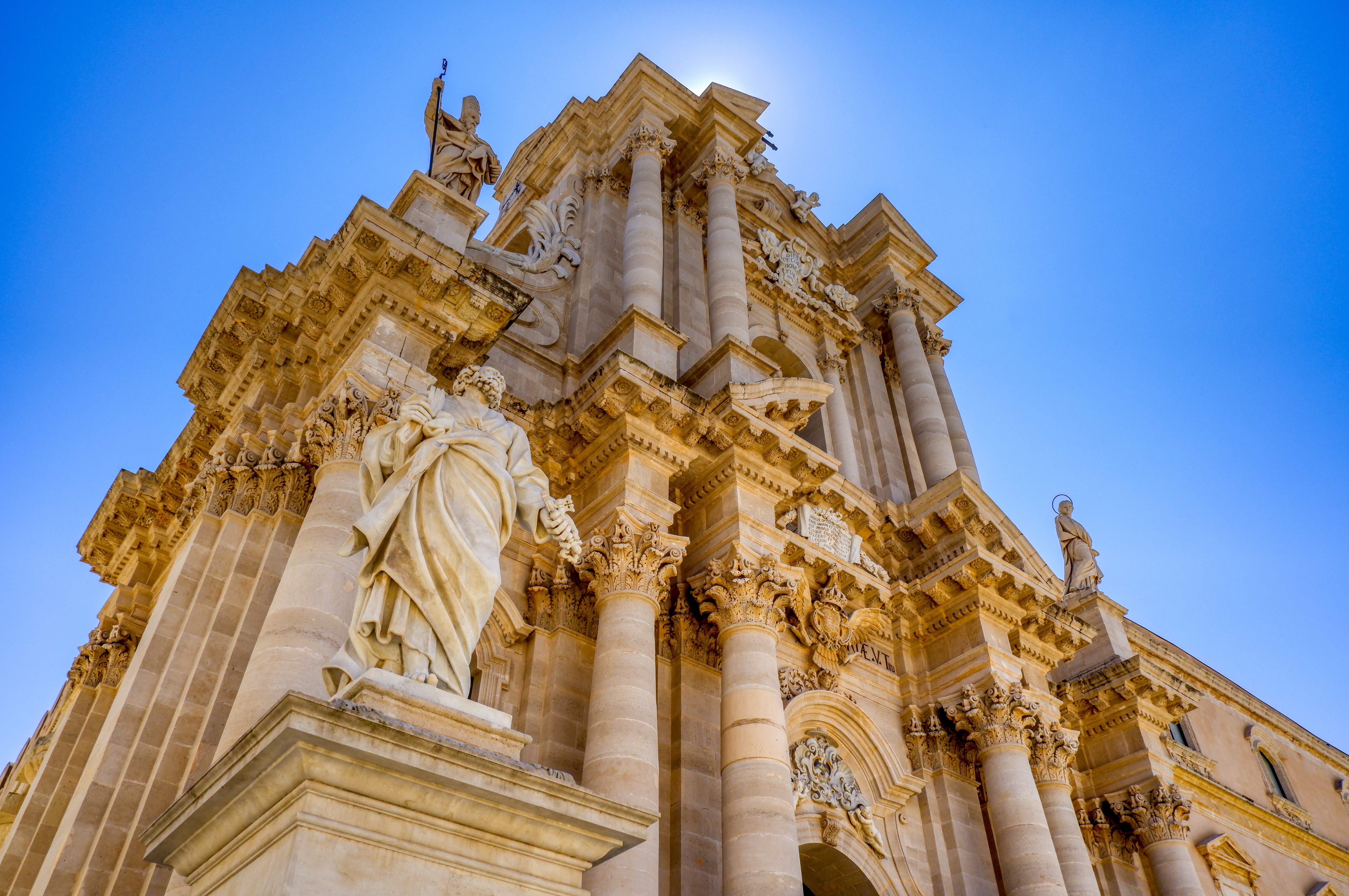
Syracuse is a city with a rich history and culture, and there are many things to do and see for tourists. Some of the top highlights and places to visit in Syracuse today include Ortigia Island, the Temple of Apollo, Syracuse Harbor, Castello Maniace, Arethusa Fountain, Piazza del Duomo, Fountain of Diana, the alleys of Ortigia Island, Piste Cyclable de Syracuse, and Neapolis Archaeological Park.

It is recommended other popular things to do in Syracuse, such as cooking classes, ancient ruins tours, walking tours, wine tastings, dining experiences, speciality museums, historical tours, and architectural building tours.

Ortigia – an island inside the city walls

Ortigia Island, which is the oldest part of the city and is known for its beautiful architecture and quaint streets. Additionally, there are direct daily departures to other popular cities in Sicily, such as Noto, Taormina, and Palermo, which can be accessed through affordable and convenient means of transportation such as Interbus. Visitors may also enjoy a passeggiata, or evening walk, around the perimeter of Ortigia Island to take in the notable structures and stories that surround the area. Furthermore, wandering around the small island of Ortigia which is 1km long and 600 meters wide can be a great way to experience the local culture and architecture.

Archimede – The scientist

Archimedes was a famous Greek mathematician, physicist, engineer, inventor, and astronomer who lived in Syracuse, Sicily around 287 BCE. He is considered one of the most important scientists of all time and made significant contributions to fields such as geometry, calculus, mechanics, and hydrostatics. Archimedes was born in Syracuse, where he lived most of his life and developed his theories. He died in 212 BCE during the conquest of Syracuse by Roman troops. Archimedes’ father was also an astronomer and not much else is known about him. Overall, Archimedes is an important historical figure associated with Syracuse, Sicily.

Modica – Welcome to the southernmost part of Italy

14.03.2023

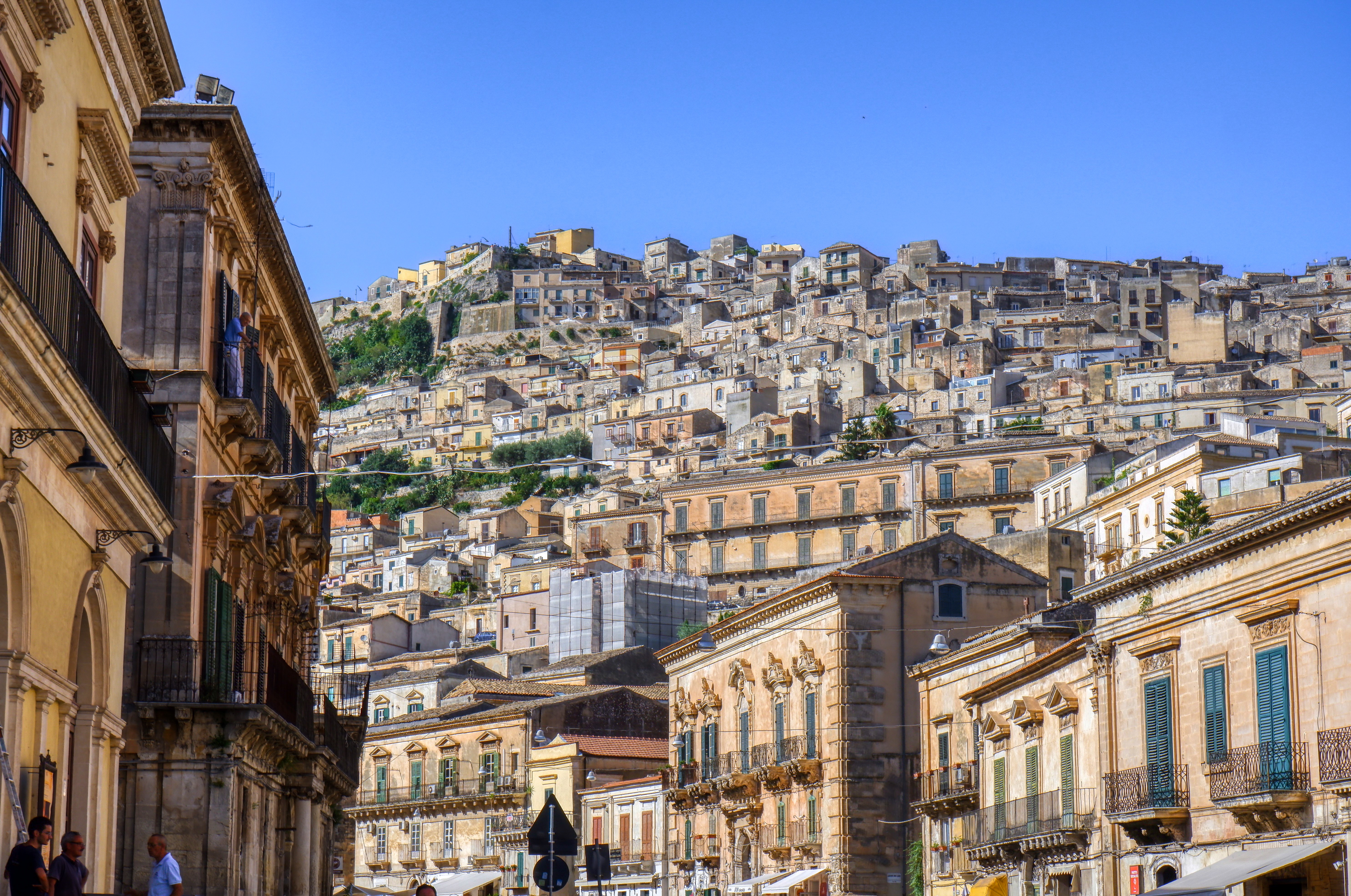
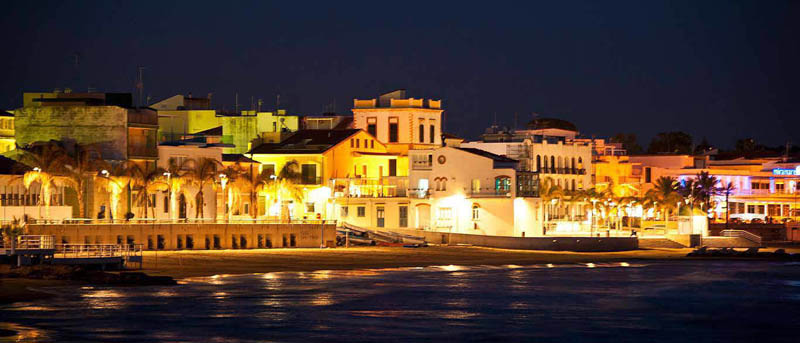
Modica and Marina di Modica offer a range of activities for travellers visiting the area. Modica is a historic town in Sicily known for being an UNESCO World Heritage site as well as for its beautiful Baroque architecture and chocolate-making tradition. Meanwhile, Marina di Modica is a seaside town known for its beautiful beaches and lively summer scene.

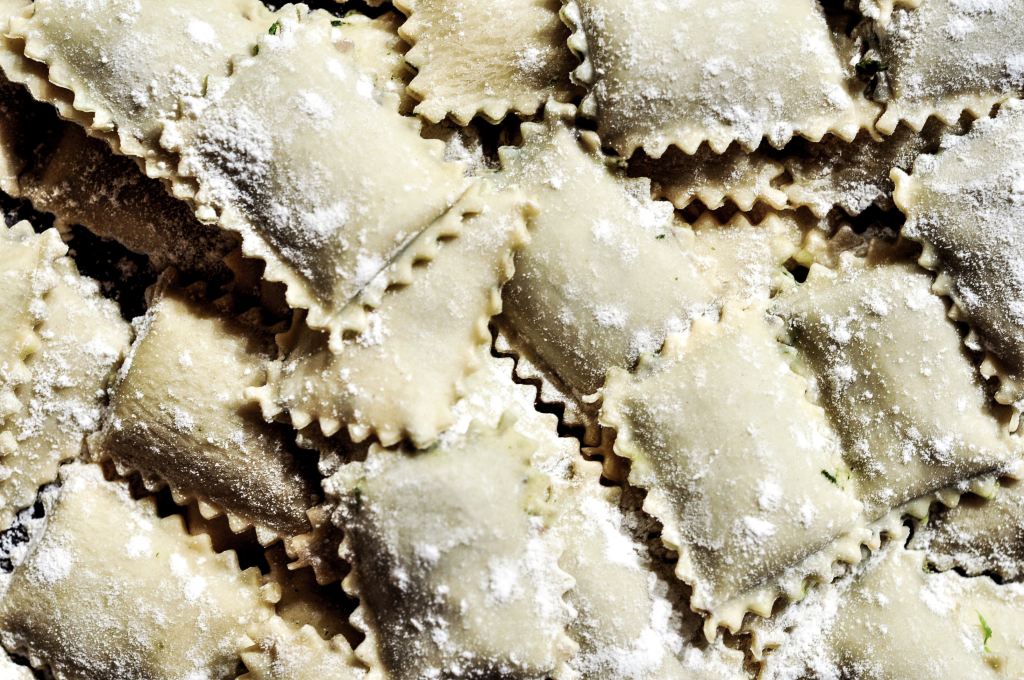
Quick fun fact: Modica is the city of origin of Ravioli.

Ravioli are filled with salty ricotta in Modica and served with tomato sauce and pieces of pork meat that have been cooked in the sauce.

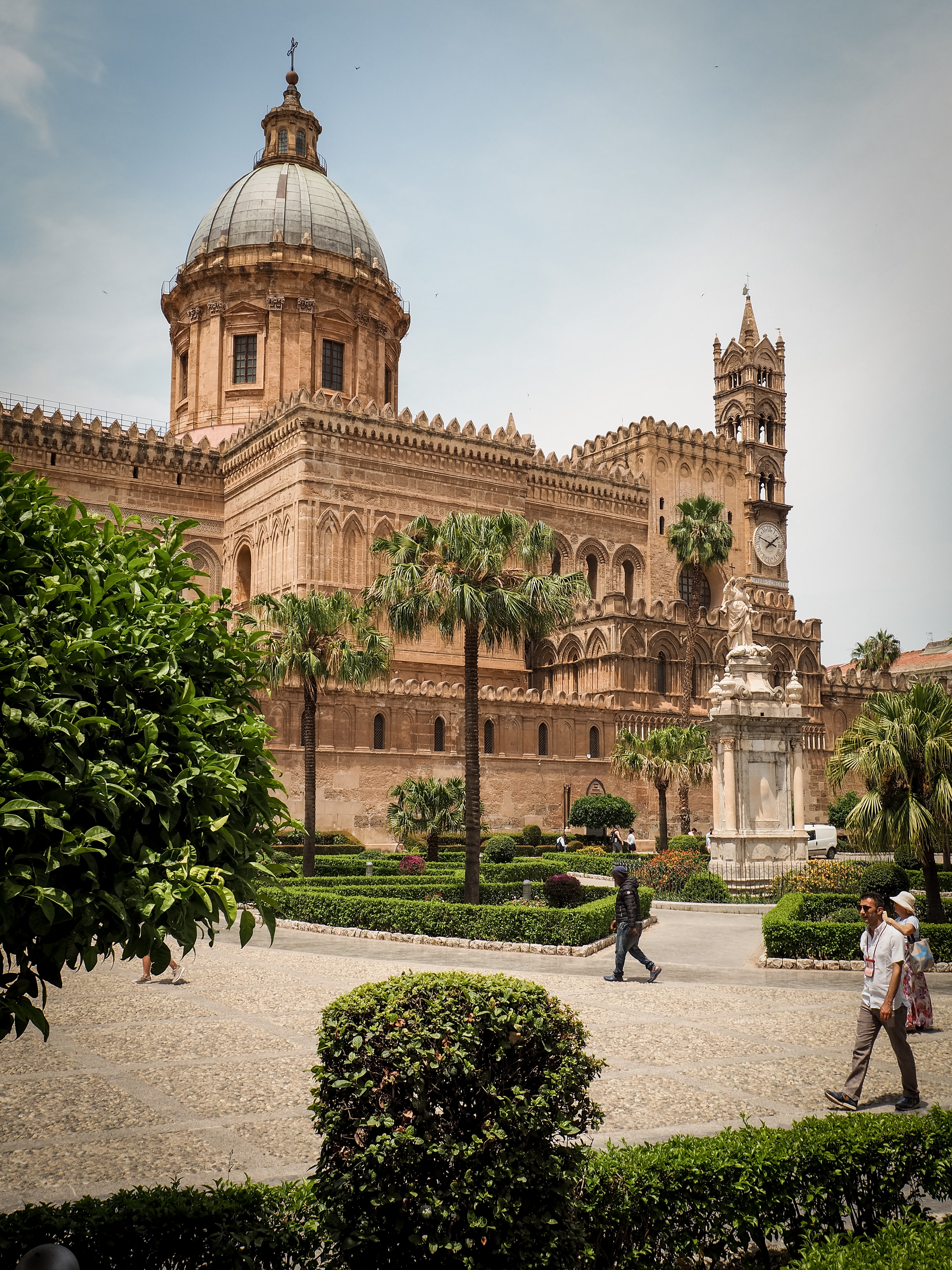
In Modica, visitors can explore the town’s many Baroque churches and palaces, including the Cathedral of San Giorgio and the Palazzo Polara. The town is also famous for its chocolate, and visitors can take a tour of one of the many chocolate factories in the area. Additionally, visitors can take a stroll through the town’s charming streets and enjoy the local cuisine at one of the many restaurants and cafes.

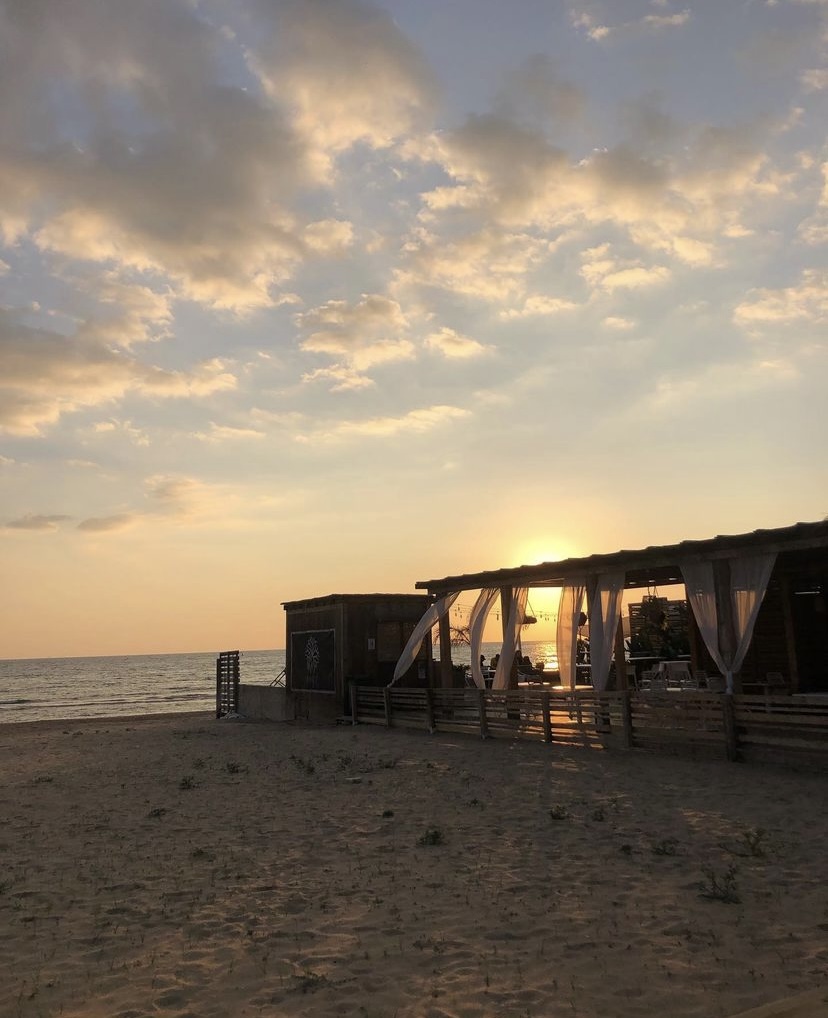
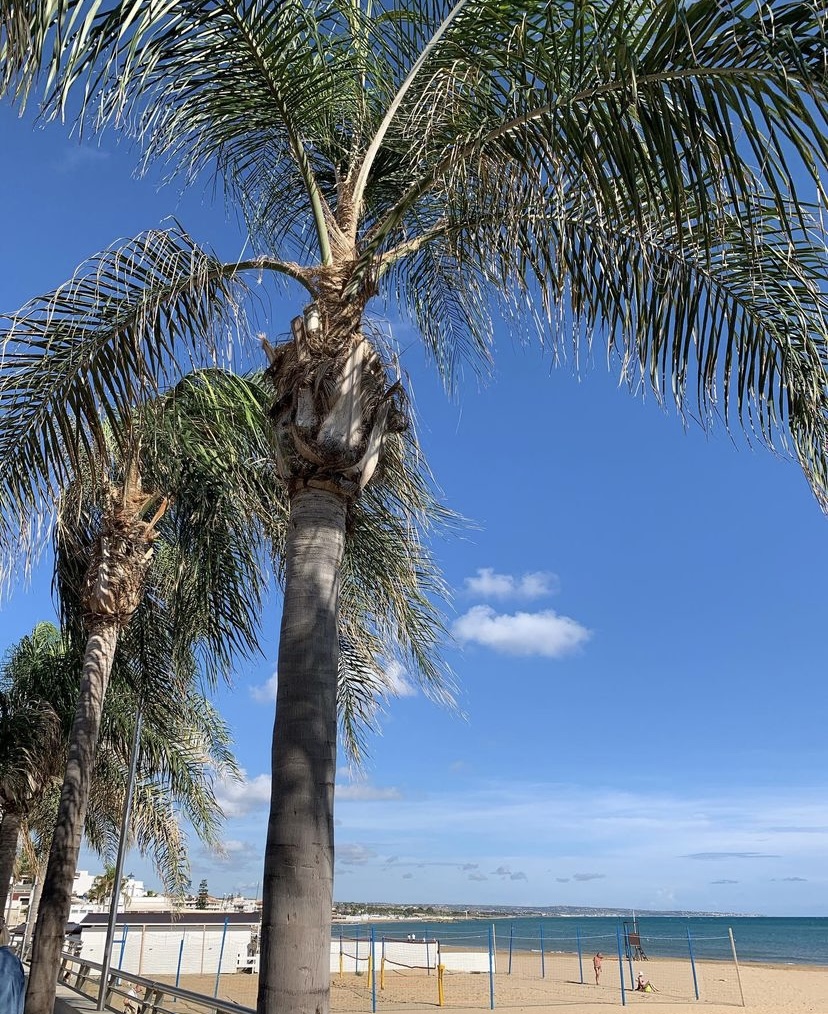
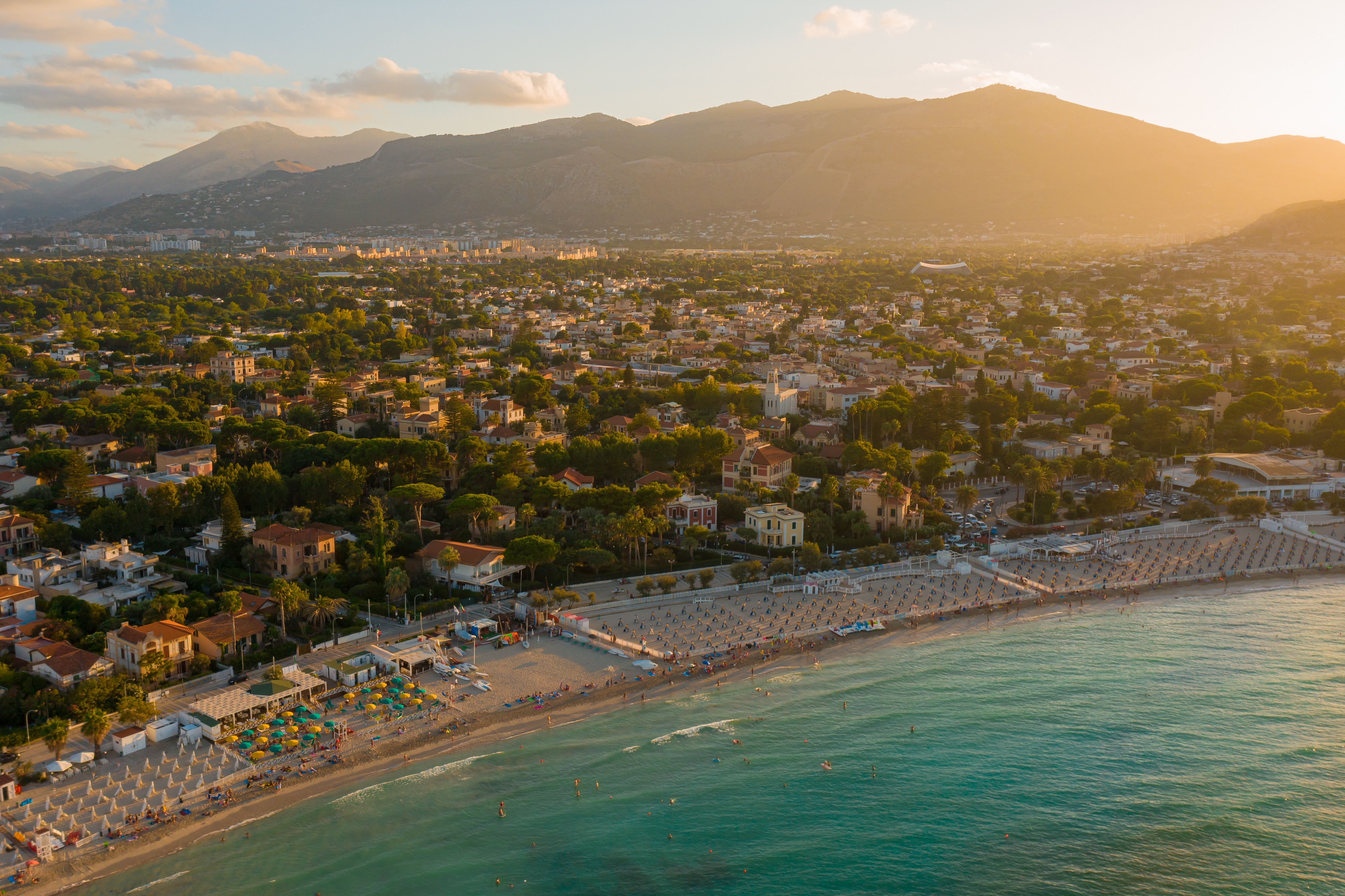
In Marina di Modica, visitors can enjoy the town’s beautiful sandy beaches, such as Spiaggia Marina di Modica, Carizza, and Maganuco. In the summer months, the beaches are bustling with activity, and visitors can enjoy swimming, sunbathing, and watersports such as surfing and windsurfing. The town also has a lively nightlife scene, with many bars and beach clubs lining the beaches.

Overall, Modica and Marina di Modica offer a variety of activities for travellers, from exploring historic sites to enjoy the beaches and local cuisine.

San Lorenzo Celebration

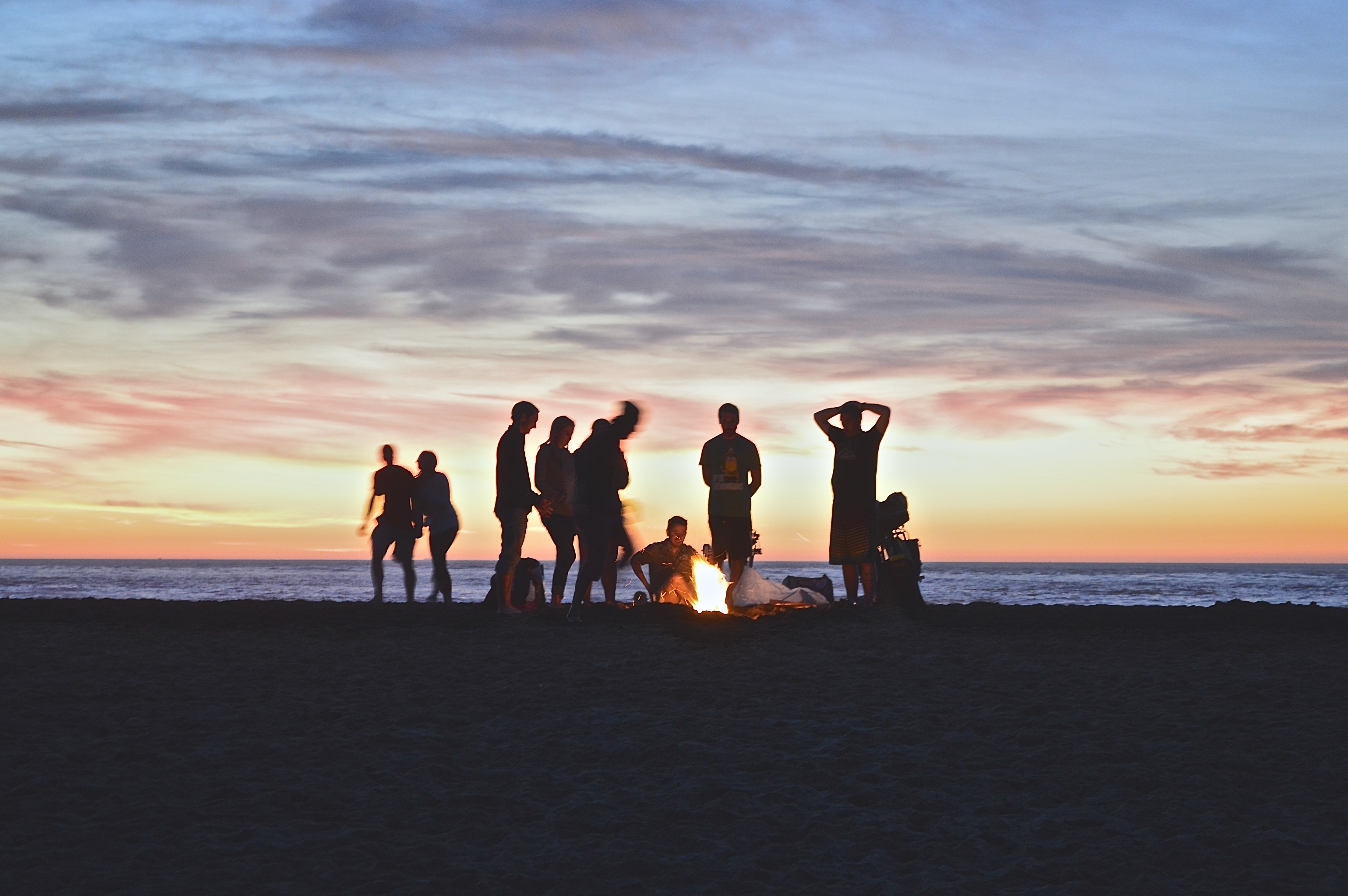
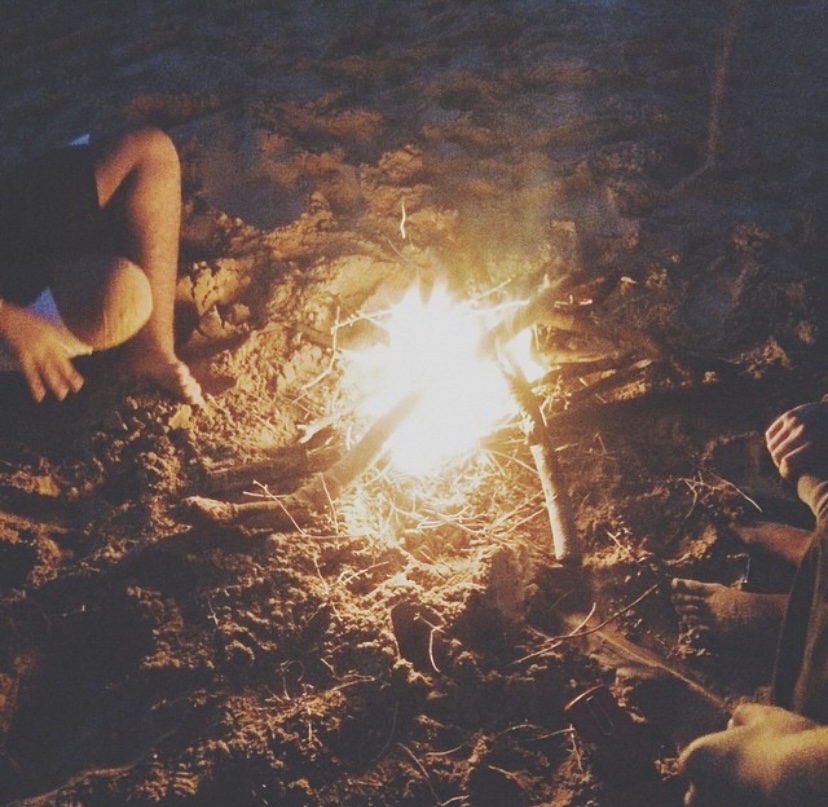
On the 10th of August, people come together and meet in the evening at the beach, we typically set up tents, make bonfires and go swimming at night. The whole beach is filled with people, loud music and drinks during this night. It is not advisable for young kids to stay after midnight, yes, you read right, kids stay up pretty late in Sicily. Typically, they take a nap after enjoying the seaside in the morning and having lunch. Kids go out in the evening along with their parents to enjoy ice cream and meet with the other kids. It is not uncommon to see them still running around the town after 1 am.

Watersports

This image has an empty alt attribute; its file name is mael-balland-os9jtxprjs4-unsplash.jpg

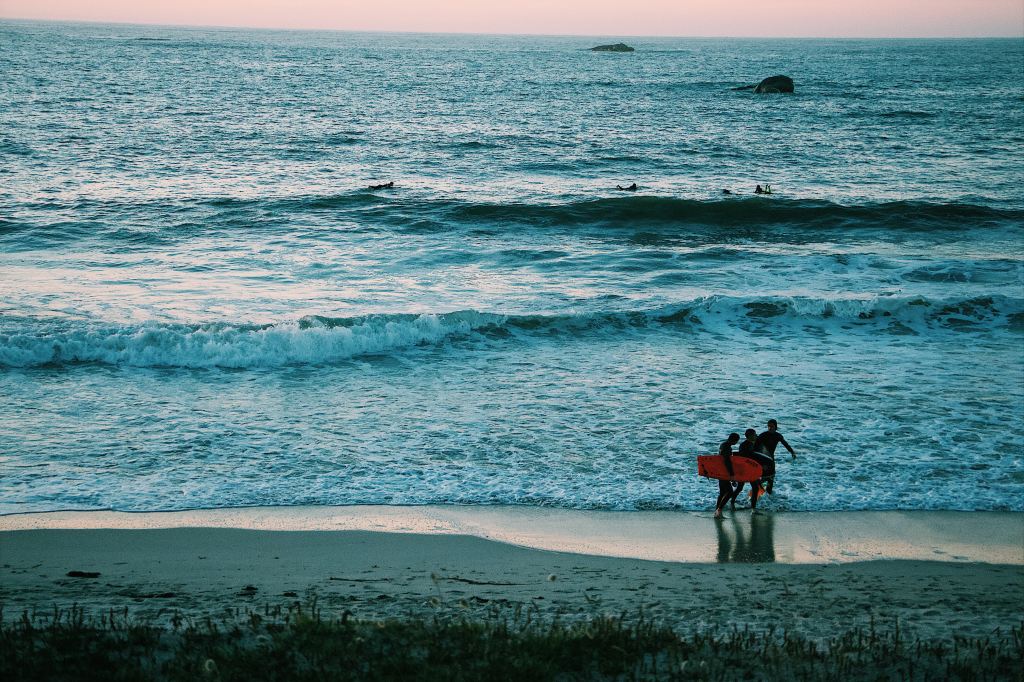
South-East Sicily is a great destination for watersports enthusiasts. There are several windsurfing spots available in the region, including Playa Catania, Isola delle Femmine, Mondello, Magaggiari, Cefalù, San Leone, Porto Empedocle, Villaggio Le Capannine Beach, and Siracusa South.

Faro is a great windsurfing spot for experienced surfers who are willing to make an effort to reach it, as it is located at the far southwestern end of the island. The wave here is a mellow and manageable right-hander.

In addition to windsurfing, the region offers favourable conditions for other water sports, such as surfing. The beaches in the area are wild, unspoilt, and elegant, making it a great destination for tourists. A visit to the eponymous town of Modica is also recommended as part of a trip to the area.

A Day in Modica

Modica, a picturesque town in Sicily, Italy, offers many attractions for tourists to explore. Here are some top things to do in Modica as a tourist:

  1. Visit the Churches and Cathedrals: Modica has several beautiful churches and cathedrals with rich histories and stunning architecture. The top ones include the San Giorgio Cathedral, Chiesa di San Pietro, and the Church of San Giovanni Evangelista.
  2. Take a Walking Tour: The best way to explore Modica is by foot. Start at Corso Umberto, the main street that passes through Modica Alta, and walk around the historic centre to discover hidden gems, beautiful squares, and picturesque alleys.
  3. Visit Specialty Museums: Modica has several speciality museums that showcase the town’s history, art, and culture. Some popular ones include the Museo Civico di Modica, the Museo del Cioccolato, and the Museo Medico Tommaso Campailla.
  4. Take a Food Tour: Sicilian cuisine is renowned all over the world, and Modica has some of the best food offerings in the region. Take a food tour to try the local specialities, such as chocolate, cannoli, and arancini.
  5. Visit Baroque Buildings: Modica has a rich baroque heritage, and the town is dotted with several stunning baroque buildings, such as the Palazzo Polara, the Palazzo Beneventano, and the Palazzo della Cultura.
  6. Day Trips: Modica is an excellent base for day trips to nearby attractions, such as Ragusa, Noto, and Siracusa. These towns offer a mix of ancient ruins, beautiful architecture, and stunning beaches.

Fun Facts about Modica

  • The town was severely damaged by an earthquake in 1693, and it was subsequently rebuilt with the characteristic baroque architecture that it is now known for
  • Modica is also known for its annual Chocolate Festival, which takes place in December and celebrates the town’s chocolate-making traditions
  • Modica has a strong chocolate culture due to its historical connections with the Spanish Kingdom and the ancient Aztec methods of chocolate making.
  • The town also has an underground network of caves and tunnels, which were used for various purposes, including as a shelter during World War II

Nightlife

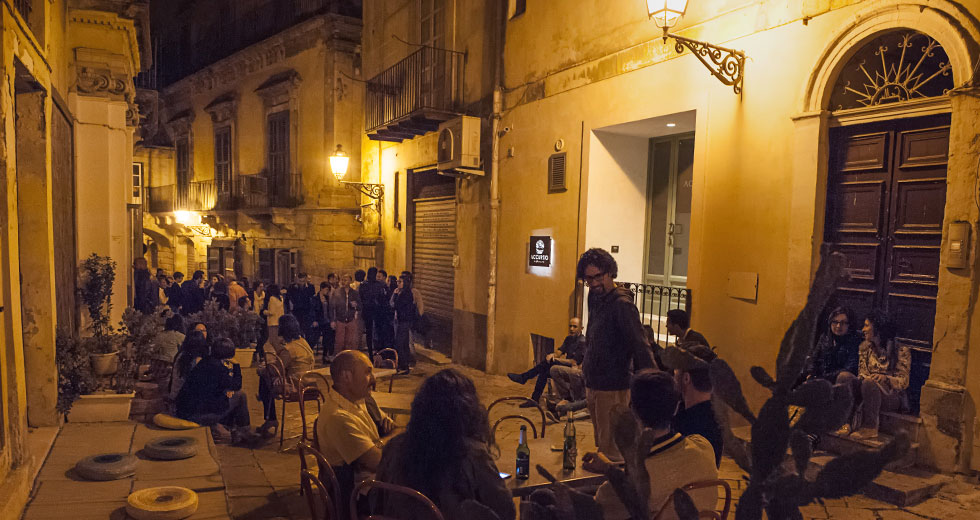
The nightlife in the Modican area takes all place outdoors, on the streets, squares and beaches that are spread all around the province.

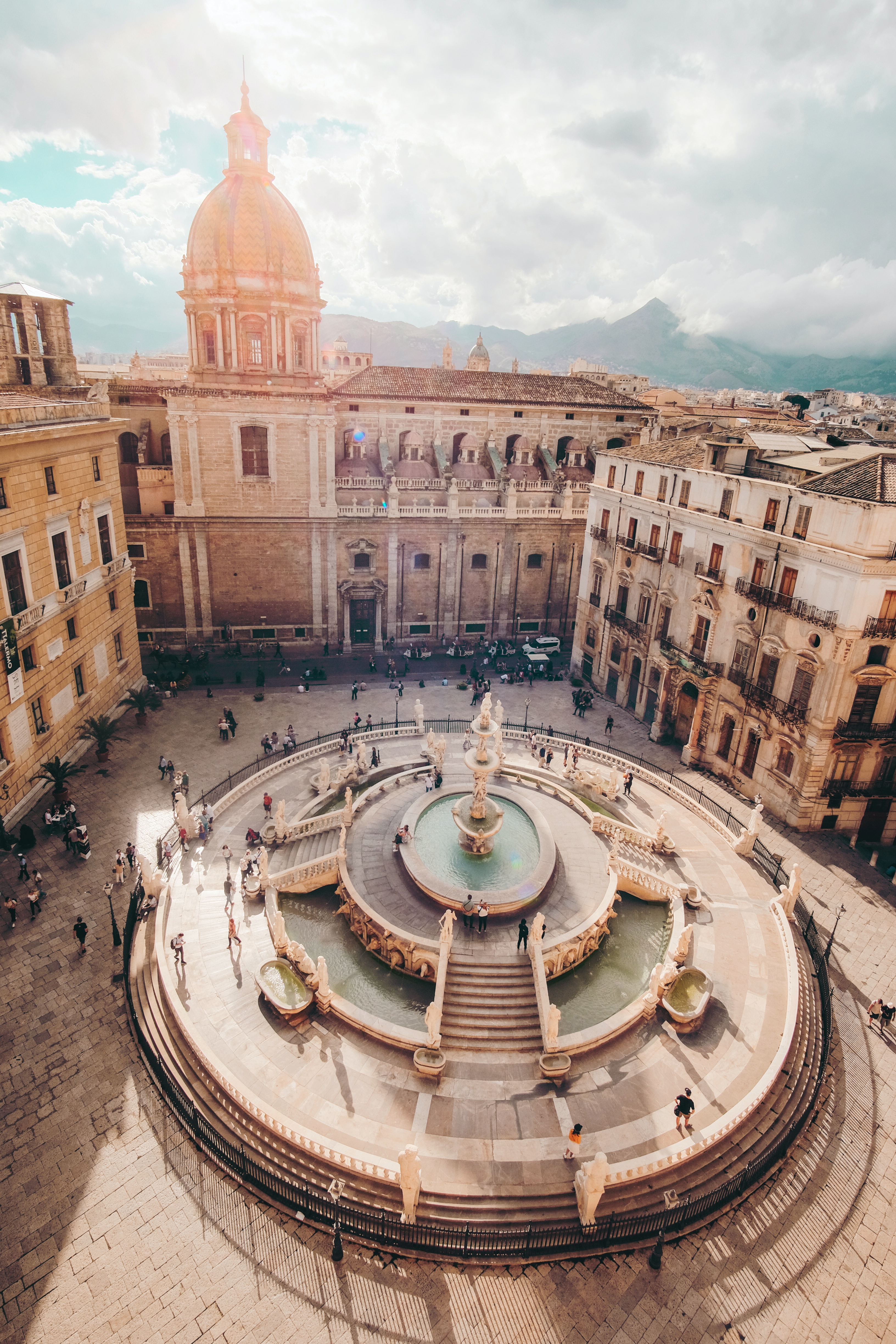
In Palermo for a day as a local: the markets

26 Feb 2023

What to do during the day: Ballarò market

The Ballarò market is located in the centre of the vibrant city of Palermo, Sicily. There you can try local Italian food specialities, taste good wine and get in touch with the local culture when you travel as a tourist.

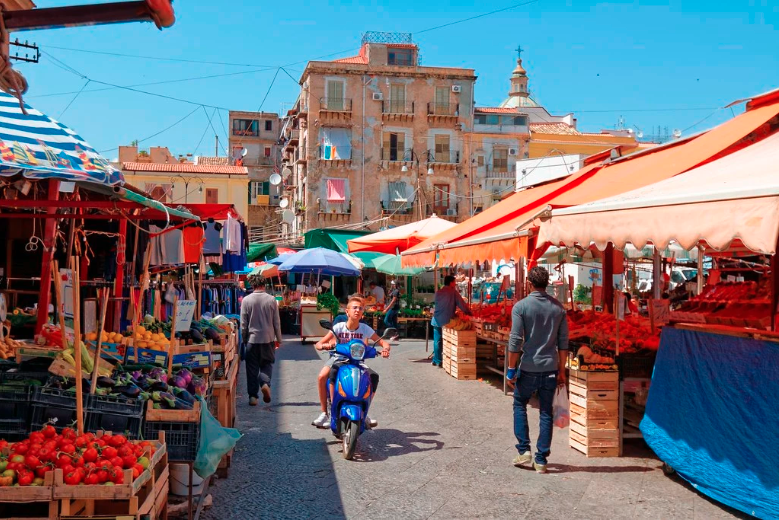
The permanent market stretches from Piazza Casa Professa to the bastions of Corso Tukory towards Porta Sant’Agata. The market is famous for selling early local delicacies from the countryside around Palermo. Ballarò is the oldest of the city’s markets, frequented daily by hundreds of people, animated by the so-called abbanniate, i.e., the noisy calls of the vendors who, with their characteristic and colourful local accent, try to attract the interest of passers-by in their Italian food. It looks like a heap of crowded stands with the street invaded by the wooden crates containing the goods that are constantly shouted, barked, and chanted to advertise the good quality and good price of the products.

Food advised for a lunch break

Inside the market, grocers sell cooked food and street food, typical of Palermo cuisine, such as boiled or baked onions, panelle (chickpea flour fritters), crocchè (potato croquettes), boiled vegetables, octopus, quarume (veal entrails), and panino con la meusa (spleen).

The market scene – Vucciria

The Vucciria is a well-known historical market in Palermo. Its proximity to the city port stimulated the settlement of merchants and traders from Genoa, Pisa, Venice, etc. since the 12th century. The presence of numerous craftsmen is still legible from the names of some streets (via Chiavettieri, via Materassai, via dei Tintori, etc.).

Moving through the dense web of alleys and small squares of the Vucciria market, one can find all the ingredients of Sicilian cuisine; the colourful stalls overflow with wooden crates that, thanks to the colours of the merchandise, turn into caskets filled with the gold of lemons, the silver of fresh and salted sardines, the bronze of olives and the coral of dried tomatoes. The pyramids of cuccuzzedde, green broccoli, and bunches of tenderloin are spectacular. In summer, the scene of this great street theatre sees water muluni and large watermelons with their bellies sliced and laid bare as the absolute stars.

Food

The varied world of fish, resting on beds of crushed ice, is represented by prawns, giltheads, scorpion fish, tuna, swordfish, octopus, cuttlefish and large squid in the Sicilian cuisine. Boiled octopus are plunged into the boiling pots, and seasoned at the end of cooking with just a squeeze of lemon. The salted sardines are cleaned in front of the customers’ eyes. Also characteristic are the grilled stigghiole and panelle.

Nightlife

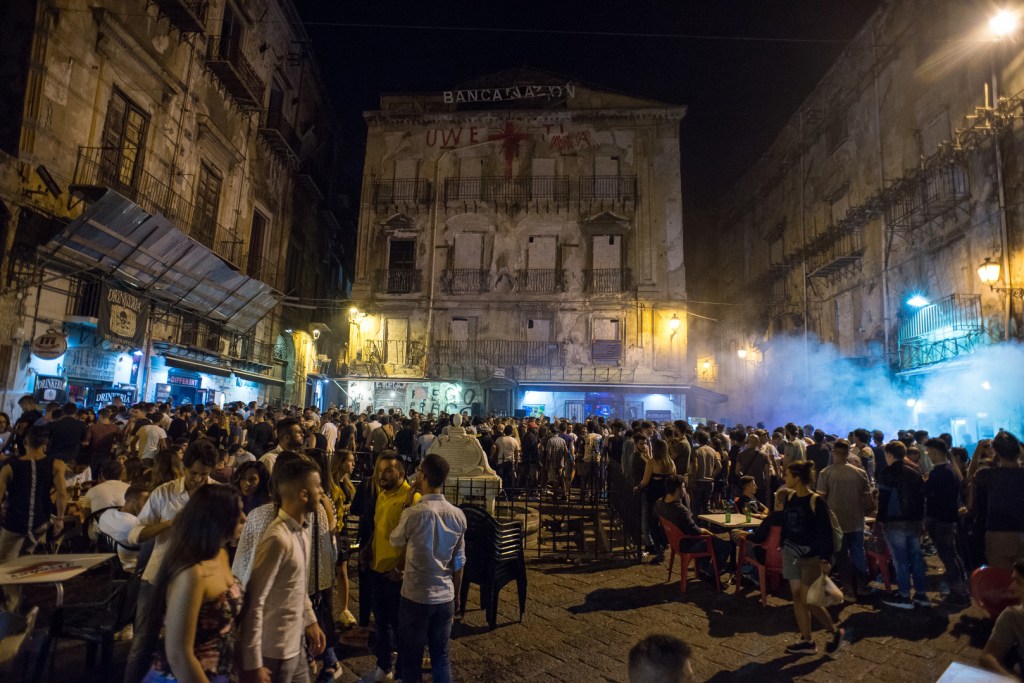
Since the 2000s, the Vucciria has become one of Palermo’s nightlife venues, from late afternoon until late at night. You can find many places selling drinks at a lower cost than elsewhere, and corners selling street food.

The Arabic City

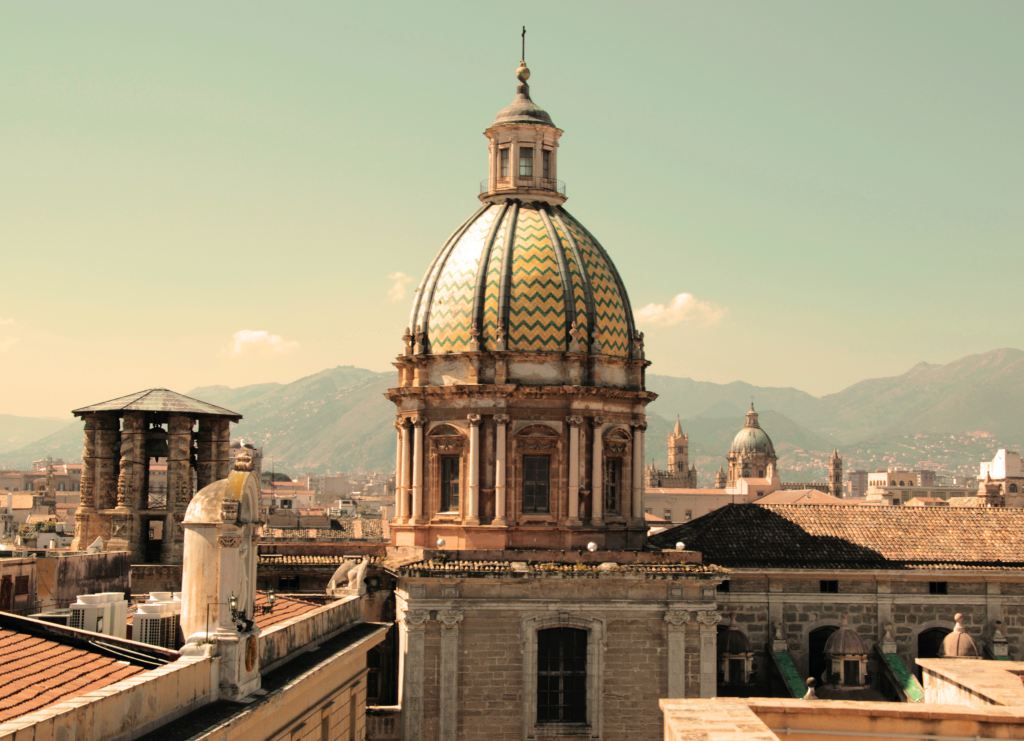
The capital city of Sicily has a significant history of Arabic influence that has left its mark on the city’s architecture, culture, and society. The Normans, who conquered Sicily in the 11th century, promoted a multi-ethnic and multilingual society that allowed Arab culture to flourish for over a century after the fall of Arab power.

The Arab influence on Palermo can be seen in various architectural landmarks, such as the Church of St. John of the Hermits, which was originally a 6th-century Christian church converted into a mosque with the addition of Arab-style domes. Another example is the Church of Saint Cataldo, which also has Arab-style merlons.

The Arab influence on Palermo was so significant that some Norman kings became fluent in the Arabic language and even took on Arab titles. Roger II, for example, called himself al-Mu ‘tazz bi-llah, which means “the one honoured by God” in Arabic.

Overall, Palermo’s Arab influence has had a lasting impact on the city’s culture and history. The legacy of this influence can still be seen in Palermo’s architecture, language, and society.

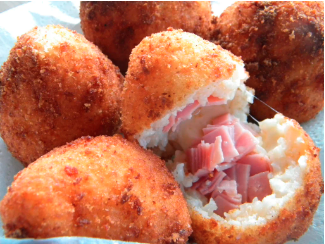
Arancina

Whatever inventive and creative variations find their way into the heart of an arancino, a patriotic Sicilian will always demonstrate nostalgia for the classic arancino of ancient tradition filled with ragù, the type one’s nonna or mamma may once have made or that was served in the local bar. Moreover, there are numerous vegetarian fillings – mushrooms or spinach with Béchamel sauce and cheese, or aubergine and tomato salsa.

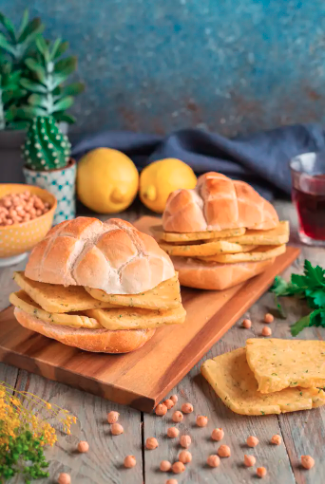
Pane e Panelle

Panelle are the king of Sicilian street food! Humble yet tasty chickpea fritters, which locals traditionally eat inside a soft bun. Traditionally served in a soft bun (pane e panelle) as a simple and filling lunch. Vegan, vegetarian, and gluten-free, they’re perfect to serve at your next dinner party in lieu of crackers with dips, or with grilled vegetables or pickles.

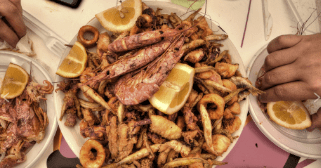
Fried Seafood

Often found as a street snack served in takeaway brown paper bags, a mix of breaded and deep-fried seafood and fish is commonly found in Sicily. This is not the healthiest of Sicilian food but makes for an easy eat, and filling, food to go.

Arabic style arancini architecture Ballaro Baroque beach Catania chickpea fritters fritto misto history international Italian Food italy Local local cuisine local markets local tourism lowcost Lunch Markets mercado mercato Modica Nightlife Palermo Palermo food panelle seafood seaside Sicilian cuisine Sicilian Food Sicily Snack food South southern italy streetfood summer swimming Syracuse Tourism traditional university Volcano Vucciria

Design a site like this with WordPress.com
Get started