26 Feb 2023
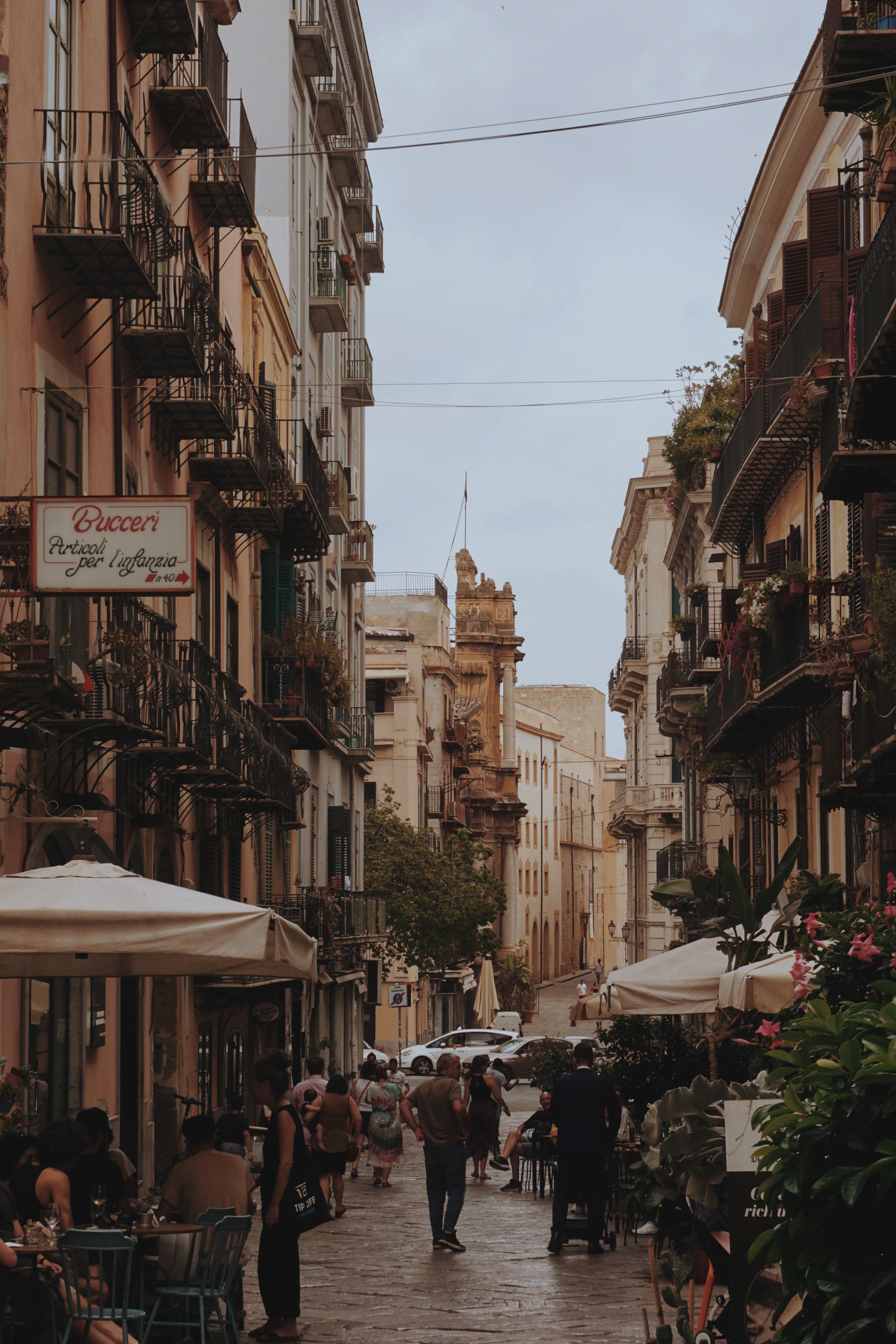
What to do during the day: Ballarò market
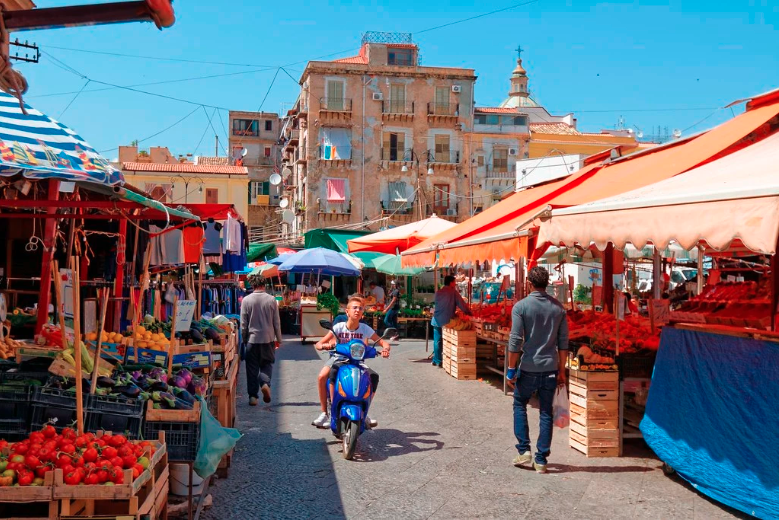
The Ballarò market is located in the centre of the vibrant city of Palermo, Sicily. There you can try local Italian food specialities, taste good wine and get in touch with the local culture when you travel as a tourist.
The permanent market stretches from Piazza Casa Professa to the bastions of Corso Tukory towards Porta Sant’Agata. The market is famous for selling early local delicacies from the countryside around Palermo. Ballarò is the oldest of the city’s markets, frequented daily by hundreds of people, animated by the so-called abbanniate, i.e., the noisy calls of the vendors who, with their characteristic and colourful local accent, try to attract the interest of passers-by in their Italian food. It looks like a heap of crowded stands with the street invaded by the wooden crates containing the goods that are constantly shouted, barked, and chanted to advertise the good quality and good price of the products.
Food advised for a lunch break
Inside the market, grocers sell cooked food and street food, typical of Palermo cuisine, such as boiled or baked onions, panelle (chickpea flour fritters), crocchè (potato croquettes), boiled vegetables, octopus, quarume (veal entrails), and panino con la meusa (spleen).
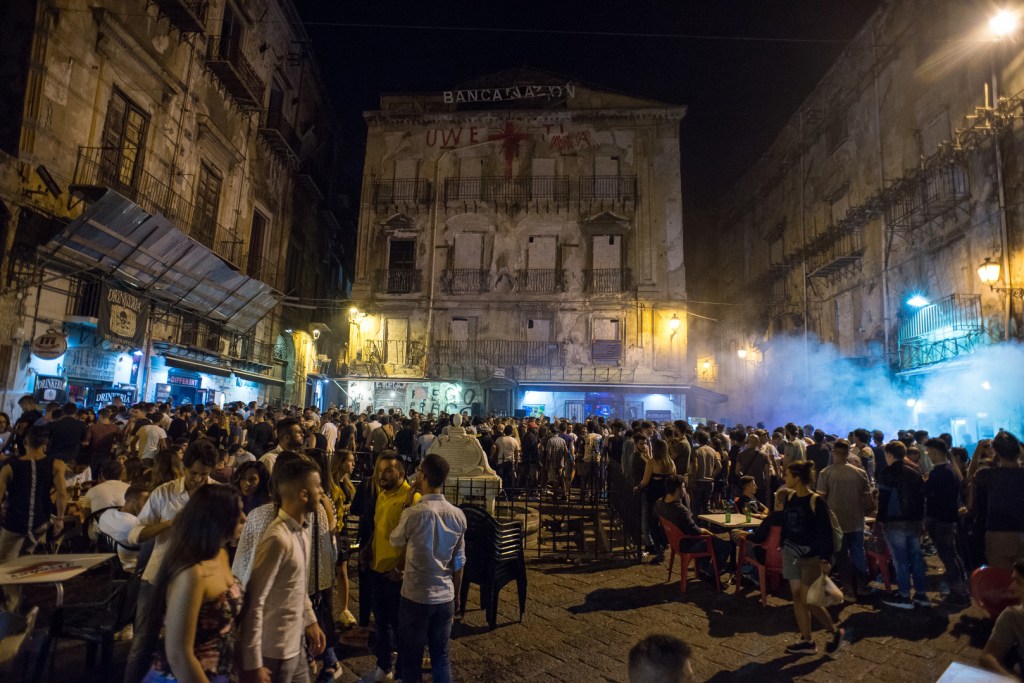
The market scene – Vucciria
The Vucciria is a well-known historical market in Palermo. Its proximity to the city port stimulated the settlement of merchants and traders from Genoa, Pisa, Venice, etc. since the 12th century. The presence of numerous craftsmen is still legible from the names of some streets (via Chiavettieri, via Materassai, via dei Tintori, etc.).
Moving through the dense web of alleys and small squares of the Vucciria market, one can find all the ingredients of Sicilian cuisine; the colourful stalls overflow with wooden crates that, thanks to the colours of the merchandise, turn into caskets filled with the gold of lemons, the silver of fresh and salted sardines, the bronze of olives and the coral of dried tomatoes. The pyramids of cuccuzzedde, green broccoli, and bunches of tenderloin are spectacular. In summer, the scene of this great street theatre sees water muluni and large watermelons with their bellies sliced and laid bare as the absolute stars.
Food
The varied world of fish, resting on beds of crushed ice, is represented by prawns, giltheads, scorpion fish, tuna, swordfish, octopus, cuttlefish and large squid in the Sicilian cuisine. Boiled octopus are plunged into the boiling pots, and seasoned at the end of cooking with just a squeeze of lemon. The salted sardines are cleaned in front of the customers’ eyes. Also characteristic are the grilled stigghiole and panelle.
Nightlife
Since the 2000s, the Vucciria has become one of Palermo’s nightlife venues, from late afternoon until late at night. You can find many places selling drinks at a lower cost than elsewhere, and corners selling street food.
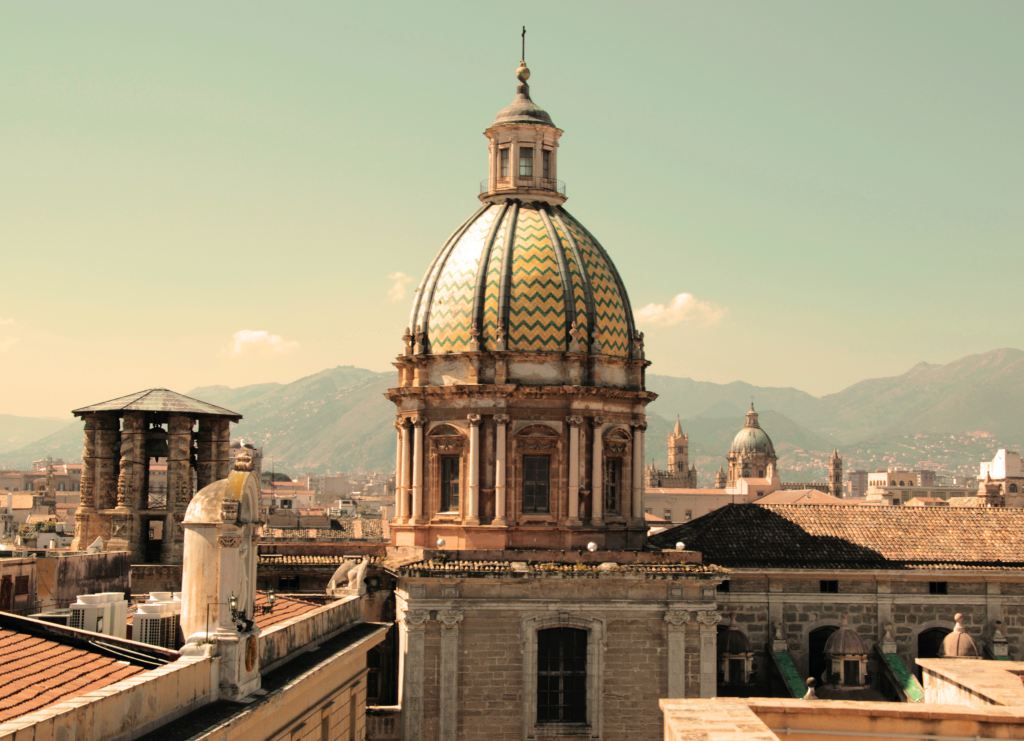
The Arabic City
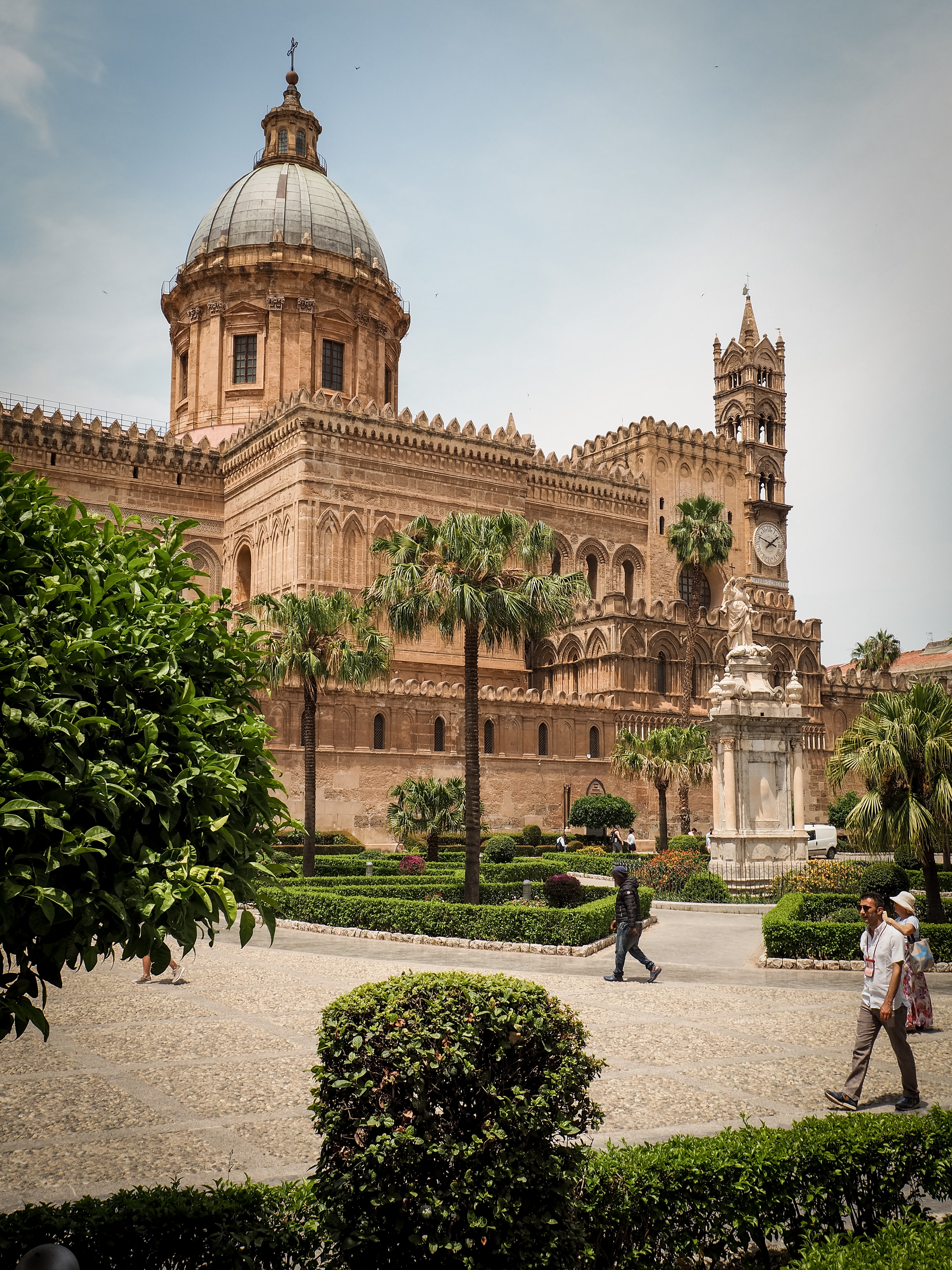
The capital city of Sicily has a significant history of Arabic influence that has left its mark on the city’s architecture, culture, and society. The Normans, who conquered Sicily in the 11th century, promoted a multi-ethnic and multilingual society that allowed Arab culture to flourish for over a century after the fall of Arab power.
The Arab influence on Palermo can be seen in various architectural landmarks, such as the Church of St. John of the Hermits, which was originally a 6th-century Christian church converted into a mosque with the addition of Arab-style domes. Another example is the Church of Saint Cataldo, which also has Arab-style merlons.
The Arab influence on Palermo was so significant that some Norman kings became fluent in the Arabic language and even took on Arab titles. Roger II, for example, called himself al-Mu ‘tazz bi-llah, which means “the one honoured by God” in Arabic.
Overall, Palermo’s Arab influence has had a lasting impact on the city’s culture and history. The legacy of this influence can still be seen in Palermo’s architecture, language, and society.
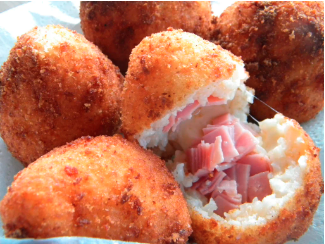
Arancina
Whatever inventive and creative variations find their way into the heart of an arancino, a patriotic Sicilian will always demonstrate nostalgia for the classic arancino of ancient tradition filled with ragù, the type one’s nonna or mamma may once have made or that was served in the local bar. Moreover, there are numerous vegetarian fillings – mushrooms or spinach with Béchamel sauce and cheese, or aubergine and tomato salsa.
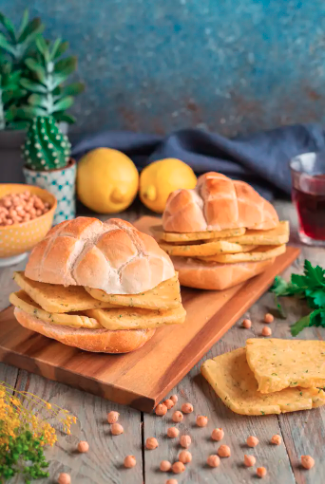
Pane e Panelle
Panelle are the king of Sicilian street food! Humble yet tasty chickpea fritters, which locals traditionally eat inside a soft bun. Traditionally served in a soft bun (pane e panelle) as a simple and filling lunch. Vegan, vegetarian, and gluten-free, they’re perfect to serve at your next dinner party in lieu of crackers with dips, or with grilled vegetables or pickles.
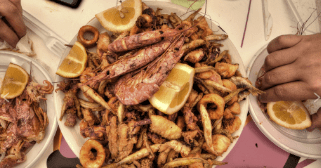
Fried Seafood
Often found as a street snack served in takeaway brown paper bags, a mix of breaded and deep-fried seafood and fish is commonly found in Sicily. This is not the healthiest of Sicilian food but makes for an easy eat, and filling, food to go.
Arabic style arancini architecture Ballaro Baroque beach Catania chickpea fritters fritto misto history international Italian Food italy Local local cuisine local markets local tourism lowcost Lunch Markets mercado mercato Modica Nightlife Palermo Palermo food panelle seafood seaside Sicilian cuisine Sicilian Food Sicily Snack food South southern italy streetfood summer swimming Syracuse Tourism traditional university Volcano Vucciria
-
-
-
Arabic style, arancini, architecture, Ballaro, chickpea, fritters, fritto misto, history, international, Italian Food, italy, Local, local markets, local tourism, lowcost, Lunch, Markets, mercado, mercato, Nightlife, Palermo, Palermo food, panelle, seafood, seaside, Sicilian cuisine, Sicilian Food, Sicily, Snack food, southern italy, streetfood, summer, swimming, traditional, Vucciria
 Travel like a local